Crop protection, re-engineered
Same formulation.Same field results.Fairer price.
Proven crop-protection products, rebuilt ingredient for ingredient and registered as equivalent by national regulators — without the brand premium.

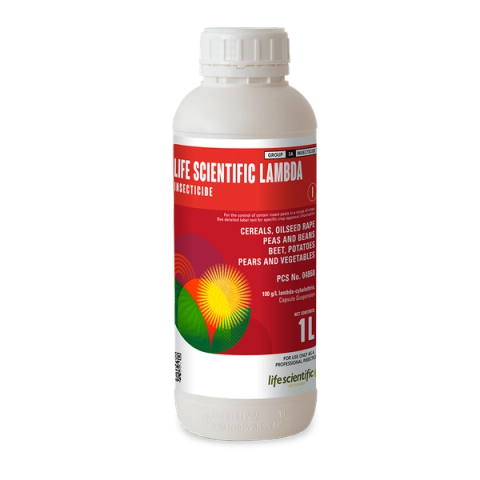
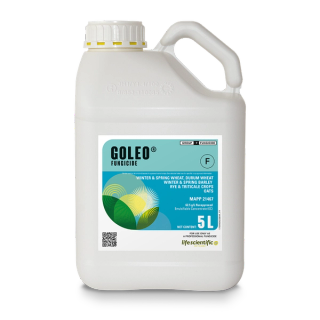
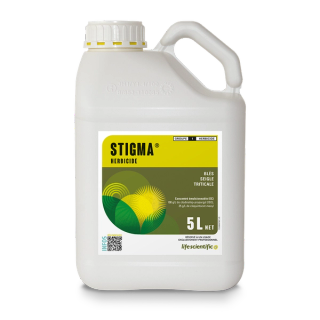
The field is the benchmark.
If it doesn’t perform like the original out here, it doesn’t ship.
Actives in the range
01 · Identical, not “close enough”
Copying the active is the easy part.
Surfactants, solvents, stabilisers — the co-formulants decide how a product mixes, sticks and penetrates the leaf. That’s why two products with the same active can behave differently in your field, and why we match the whole recipe instead.
| What matters | Typical generic | Life Scientific | Originator brand |
|---|---|---|---|
| Same active ingredient | Yes | Yes | The reference |
| Same co-formulant system | Usually not | Matched 1:1 | The reference |
| Registered as equivalent to the original | Rarely | Market by market | Is the original |
| Behaviour in the tank & on the crop | Can differ | Same envelope | The benchmark |
| Brand premium in the price | None | None | Priced in |
Same active, different product
Drag to compare
Left of the line: a copy with the right active — and different everything else. Right of it: ours, sitting on the reference. The registration dossier proves the overlap.
02 · In the field
Identical in the lab means predictable on the farm
A matched formulation is not a lab curiosity — it is why switching costs you nothing in agronomy, and saves you real money per hectare.

You’re not buying a cheaper product.
You’re not paying for a logo.
We spend on chemistry and registration, not marketing — and your distributor sets the price without a brand premium underneath it.
Drop it into the programme you already run
Same dose rates, same timings, same intervals — switch mid-season without re-planning.
Same behaviour in the tank
A matched co-formulant system means the mixing and compatibility you are used to.
Same crop safety envelope
The selectivity and crop response of the reference product, because it is the same recipe.
Familiar performance from year one
No trial season needed — the equivalence work has already been done and registered.
03 · The Life Scientific method
How do you copy a formulation exactly?
01
Deconstruct the original
Our chemists take the originator product apart in the lab and characterise every component — the active, the surfactants, the solvents, the stabilisers. The whole recipe, not just the headline ingredient.
Reference product → component analysis
- Active ingredientidentified
- Surfactant systemcharacterised
- Solvents & carriersprofiled
- Stabilisersverified
- Anti-foam & inertstraced
02
Rebuild it, ingredient for ingredient
Then we manufacture it again to that reference: the same active load in the same co-formulant system. That is what makes it behave the same in the can, in the tank and on the crop.
Rebuild · ingredient for ingredient
- Active ingredient1:1
- Surfactant system1:1
- Solvents & carriers1:1
- Stabilisers1:1
- Anti-foam & inerts1:1
03
Prove it to regulators
Every product is registered market by market with a full equivalence dossier. Approval is not marketing — it is a national authority agreeing our product matches the reference.
Equivalence dossier · approved market by market
Equivalence dossier
Submitted to national authorities, market by market
04 · The range
The chemistry you already use, re-engineered
Herbicides, fungicides and insecticides built to the products you know — each one registered in the markets where it is sold.
- actives re-engineered
- countries registered
- products in the range
- scientists & specialists
Ask for it by name.
Life Scientific products are available through your local distributor in
Distributor, agronomist or regulator — you get the data and a straight answer.